




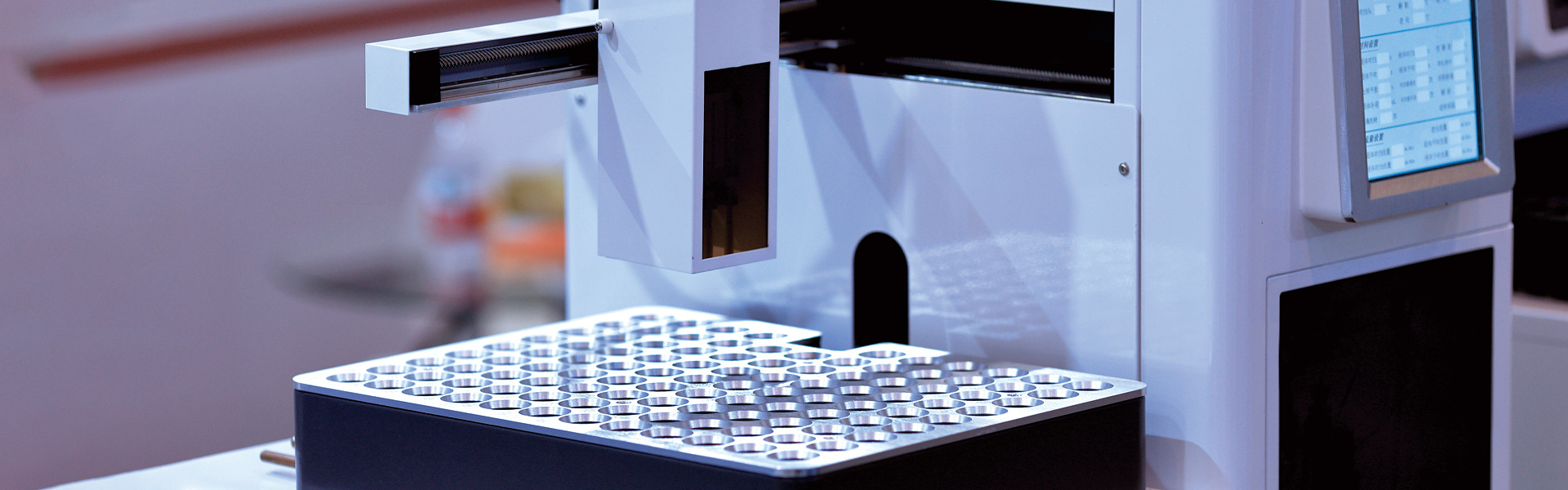
Note these key points for accurate purge and trap
Published Time:
2021-02-22
Author:
Source:
Summary
Preparation--Pre-cooling--Purging--Injection--Back-purging. These are standard steps and must not be altered.
Helium gas is used as the purge gas and bubbled into the sample solution. Under continuous gas purging, volatile components in the sample escape with the helium gas and are concentrated by a trapping device equipped with an adsorbent. After a certain purging time, all or quantitative amounts of the components to be measured enter the trap. At this point, the purge gas is turned off, and the trap is connected to the GC's gas path via a switching valve. Simultaneously, the collected sample components are rapidly heated, desorbed, and then enter the GC with the carrier gas for separation and analysis. This can simply be called dynamic headspace extraction-adsorption trapping thermal desorption.
Reasons affecting purge and trap results:
First, the purge-and-trap injector itself; second, GC conditions. The former includes desorption temperature, purge gas flow rate, purge time, and analysis conditions, etc., so these conditions should be strictly controlled for reproducibility. The latter is the same as for ordinary GC. It is recommended to use the internal standard method or standard addition method for quantification to reduce the impact of operating condition fluctuations on the results.
To ensure accurate measurement results, the following factors must be considered when performing purge and trap measurements:
Temperature: Purge temperature, most aqueous solutions are purged at room temperature, and as long as the purge time is long enough, the analysis requirements can be met. Trap temperature, including adsorption temperature and desorption temperature. The temperature of the connecting pipeline, which should be high enough to prevent sample condensation.
Purge flow rate and time gate: The purge gas flow rate depends on the concentration of the analyte in the sample, the interaction between volatility and the sample matrix (e.g., solubility), and the adsorption capacity in the trap tube. In principle, the longer the purge time, the higher the analytical reproducibility and sensitivity.
Desorption conditions: The soft gas flow rate during desorption mainly depends on the chromatographic column used. If the desorption temperature is too low, desorption will be slow and may be incomplete. If the desorption temperature is too high, it may have a certain impact on the stability of both the adsorbent and the target compound.
It should be noted that the purge gas source: the purity of helium and nitrogen should be greater than 99.995%, the pressure should be adjusted to 30-100 psi (207-1724 kPa), and it should be connected to the purge gas inlet.
Keywords:
Intelligent Testing Instruments
Recommended
How to perform injection operation for purge and trap?
2021-02-02
What is the basis for purge and trap not having cross-contamination?
2021-01-08
9 Major Usage Precautions for Gas Samplers
2023-02-23
Contact Information
Service Hotline
Address
Room 801A, Building A, U Valley Innovation Center, Xingmao 1st Street, Tongzhou District, Beijing

Official Account
Video Account